Oompa-Loompas
Charlie and the Chocolate FactoryThe Oompa-Loompas are the tiny inhabitants of Loompaland whom Willy Wonka recruits to work in Wonka's Chocolate Factory. They transform the factory from a sealed mystery into a functioning social world: they operate within its hidden production system, appear at crucial moments, and turn the misfortunes of the visiting children into public songs. Their presence therefore carries two meanings at once. They are workers whose labor sustains Wonka's extraordinary output, and they are performers whose music interprets, satirizes, and morally frames what happens inside the factory.
Identity and Appearance
The Oompa-Loompas first appear across the Chocolate River as people no larger than medium-sized dolls. Their smallness is so striking that the children initially doubt whether they can be real people at all. Willy Wonka identifies them as Oompa-Loompas and says that they were imported directly from Loompaland. Their physical appearance is repeatedly emphasized: one Oompa-Loompa reaches only slightly above Willy Wonka's knee, has rosy-white skin, long golden-brown hair, and wears a deerskin slung over his shoulder. The group across the river is also associated with long hair, while their laughter immediately marks them as lively observers rather than silent machinery.
Wonka explains that the Oompa-Loompas retain the clothing customs of their former jungle home. The men wear only deerskins, the women wear leaves, and the children wear nothing; the women use fresh leaves every day. This description makes their foreignness part of the factory spectacle, but it also establishes that the factory contains a transplanted community rather than merely a collection of anonymous mechanical assistants.
Origin in Loompaland
Wonka presents Loompaland as a dangerous country of thick jungles and predatory creatures, including Hornswogglers, Snozzwangers, and Whangdoodles. According to his account, the Oompa-Loompas lived in tree houses to escape these beasts. Their diet consisted largely of green caterpillars, which they found revolting, supplemented with whatever they could mash into the caterpillars to improve the taste, such as red beetles, eucalyptus leaves, and bark from the bong-bong tree.
The decisive hardship in Wonka's account is their hunger for cacao beans. An Oompa-Loompa might find only three or four cacao beans in a year, yet cacao was the food they desired above all others. They dreamed about cacao beans at night and talked about them during the day; even hearing the word cacao could make one dribble at the mouth. Because cacao is the essential substance from which chocolate is made, their craving also connects their imagined homeland directly to the industrial abundance of Wonka's factory.
Wonka says that he approached the leader of the tribe and offered every Oompa-Loompa as many cacao beans as they wanted if they would move to his country and live in his factory. He also promised chocolate, explaining that milk and sugar made it taste better than cacao beans alone, and offered to pay their wages in cacao beans if they preferred. The leader accepted immediately, throwing his bowl of mashed caterpillars out of the tree-house window and declaring the arrangement a deal.
Wonka then says that he transported every man, woman, and child in the Oompa-Loompa tribe to his factory in large packing cases with holes in them. He presents the operation as easy and says that everyone arrived safely. The story thus links their migration to a bargain built around food, wages, and the escape from an inhospitable environment, while also making their movement dependent upon Wonka's resources and control.
Factory Labor and Hidden Production
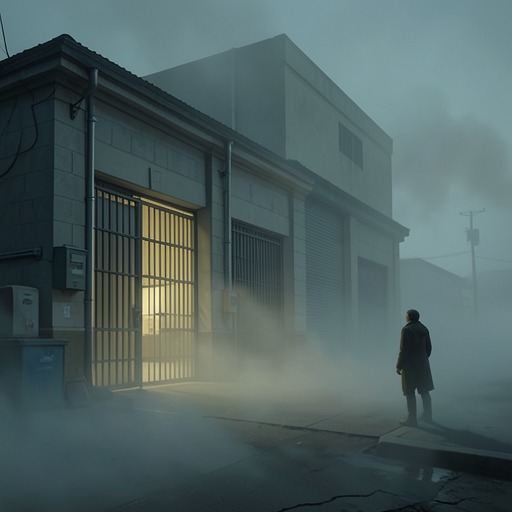
The Oompa-Loompas are described as wonderful workers, and they form the labor force that makes the renewed factory possible. Before their arrival, Wonka had employed thousands of people, but he dismissed every worker after rival chocolate makers sent spies into the factory to steal secret recipes. He then closed the gates, chained them, and disappeared from public view. Months later, smoke began rising from the chimneys again, although the gates remained closed and no ordinary workers were seen returning.
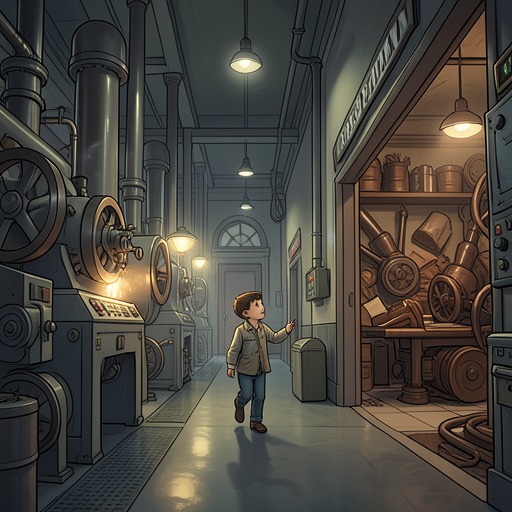
The factory's products continued to emerge through a special trapdoor in the wall, already packed and addressed, where Post Office trucks collected them every day. The Oompa-Loompas explain this mystery within the story: they are the tiny workers whose presence remains concealed behind the factory's walls. Their labor is therefore both indispensable and deliberately invisible. The public sees chocolates, sweets, smoke, and delivery trucks, but not the people who produce the goods. Even the shadows glimpsed behind factory windows are treated as part of the mystery before the visitors learn who is working inside.
Wonka also says that the Oompa-Loompas now speak English, suggesting that their relocation includes adaptation to the factory's language and institutional world. Yet their work is not represented as purely mechanical. They love dancing and music, constantly make up songs, and are mischievous and fond of jokes. Their labor and entertainment are fused: the same workers who sustain the factory's production also provide its ritual, commentary, and theatrical energy.
Songs, Humor, and the Children
The Oompa-Loompas become most visible when the factory tour exposes the children's behavior. After Augustus Gloop is sucked up the chocolate pipe, five Oompa-Loompas on the far side of the river begin hopping, dancing, and beating small drums while chanting his name. Their performance converts a frightening incident into a communal spectacle and signals that the factory responds to each child's conduct through music as well as through physical consequences.
Their laughter is equally important. When an Oompa-Loompa appears beside Wonka after Wonka clicks his fingers three times, he bows and smiles, revealing beautiful white teeth. Wonka instructs him to take Mr and Mrs Gloop to the Fudge Room to find Augustus, who has gone up the pipe. The tiny escort looks at Mrs Gloop and bursts into laughter; Wonka then jokes that Augustus may have been turned into a strawberry-flavored creature before admitting that he was joking. The episode shows the Oompa-Loompas participating in Wonka's mischievous sense of humor while also exposing the adults' helplessness in the face of the factory's rules.
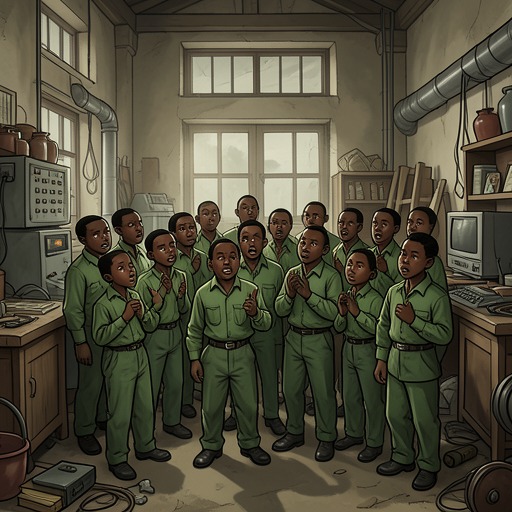
Their songs establish a recurring narrative pattern. After a child's removal, the Oompa-Loompas gather with drums, dance, and sing about the behavior that preceded the disaster. At the end of the Television-Chocolate Room, they again beat their tiny drums and jog to the rhythm. Willy Wonka tells the visitors that they cannot stop the Oompa-Loompas singing, and Charlie Bucket and Grandpa Joe stand beside him to listen. Their music is consequently not an isolated entertainment but a repeated form through which the factory interprets events for the visitors.
Narrative Significance
The Oompa-Loompas give Wonka's factory its concealed human infrastructure. The factory once had thousands of visible workers, but espionage led Wonka to remove them all; the Oompa-Loompas replace that workforce while preserving the factory's secrecy. Their small bodies, unusual clothing, songs, and laughter make them part of the factory's wonder, yet the terms of their arrival also reveal an unequal structure in which Wonka controls the supply of the food they most desire, the place where they live, and the organization of their work.
Their story also connects local fantasy to global commodity circulation. Cacao beans originate in the distant world of Loompaland, the Oompa-Loompas cross borders to produce chocolate in Wonka's factory, and the finished products travel outward through daily Post Office collections. Meanwhile, people across the world buy Wonka bars in a frantic search for Golden Tickets. The Oompa-Loompas therefore stand at the hidden center of a worldwide chocolate economy: their labor is unseen while the products become objects of desire, competition, publicity, and imagined lifelong abundance.
At the same time, the narrative gives them a collective voice that the factory's other workers do not possess. They are not interviewed individually, and their personal histories remain filtered through Wonka's account, but their songs speak publicly and repeatedly. Through drums, dancing, laughter, and synchronized performance, they turn the children's behavior into lessons about appetite, selfishness, disobedience, and the consequences of excess. Their final song is introduced as addressing the most important thing learned about children, confirming their role as the factory's chorus: hidden producers during ordinary operations, visible performers at moments of judgment, and the most consistent interpreters of the tour's moral pattern.